How autism affects a child’s social skills


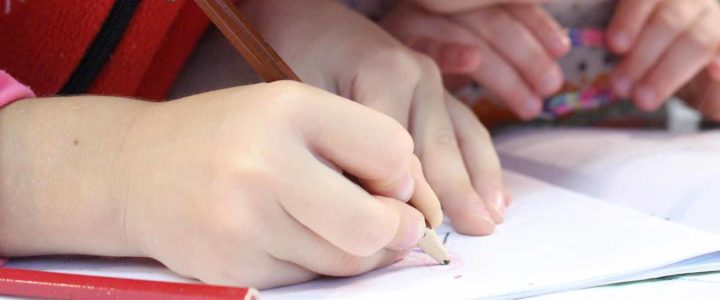
Each of us have different handwriting styles. Some are neat while others are sloppy and misaligned, yet still remain legible. It is when the handwriting is illegible that you must take special note. Children who have trouble expressing themselves in writing may have a condition known as ‘Dysgraphia’. The term comes from the Greek words dys, which means “impaired”, and graphia, meaning “writing letter by hand”. Read more

For many people, communicating with others is an easy and effortless task. For children with communication and speech disorder, they might have a hard time receiving, processing, sending and comprehending verbal and nonverbal communication.
Young children with communication and speech disorders may not speak at all, or have limited vocabulary for their age. By the time they enter school, they can speak but in a limited and diminished capacity for their age and development. This results in them falling behind their peers in speech and language skills. Read more

If you are unsure about how your child’s speech and language is developing because they may appear to be unresponsive to vocal cues, or seem to be taking longer than their peers to speak in full sentences, the natural reaction may be to think the child might have speech and language delay. This may not always be the case.
Read more

Speech disorders affect anywhere from 8-9% of the population and can include issues with stuttering, slurred speech, and can also make children susceptible to bullying as they will have issues with basic communications with their peer; and can slow down their learning in school. Read more

It is estimated that up to 10% of the population are affected by specific learning disabilities, and children affected by a learning disability typically are affected by multiple learning disabilities. While many people assume that only slow children are affected, even children with high intelligence can be affected. Read more

Attention Deficit Hyperactivity Disorder (ADHD) is a disorder that affects up to 11% of children between the ages of 4 – 17 years old, and is more common than many people believe. Boys are three times more likely to be diagnosed for ADHD, and while some people may see this as a disorder affecting children, at least 4% of adults have been diagnosed with ADHD. Read more

Play therapy is a form of psychotherapy and counselling that allows children experiencing loss, trauma, emotional, or behavioural issues to open up their emotions in a safe space. This safe, play space is where they are allowed to face their thoughts and emotions nonverbally through play. It can help ameliorate effects of the child’s deeper emotional issues, and helps them to deal with stress and anxiety.

It is every parent’s wish to see their child be successful. Some of the common success route are in ensuring their child attend the best school in the neighbourhood, providing tuition for the child, and finally witnessing their child’s graduation ceremony. However, can the same be apply to parents with special needs children? Read more

Children with learning disorders will have on-going difficulties in processing and retaining information. This will negatively affect reading, writing, spelling, and maths abilities of the child. Some of the most common learning disorders include: Read more