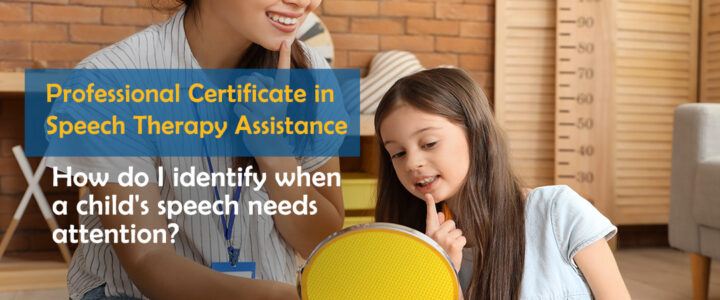
If you are unsure about how your child’s speech and language is developing because they may appear to be unresponsive to vocal cues, or seem to be taking longer than their peers to speak in full sentences, the natural reaction may be to think the child might have speech and language delay. This may not always be the case.
Here are some things you need to know
In most instances, children develop along a progressive schedule with generally predictable milestones.
0-5 months:
- Responds to sources of sound or voices
- Makes cooing noises or displays sounds associated with emotions like laughter.
6-11 months:
- Uses gestures
- Attempts to repeat words of adults
- starts babbling
12-17 months:
- Is able to follow simple directions
- Attempts to imitate full words
- Starts to understand and answer basic questions non-verbally
18-23 months:
- Has a vocabulary of up to a dozen words
- Can ask for common things by name
- Can pronounce vowels properly and starts using other sounds
2-3 years:
- Understands and uses “you,” “I,” “me,” and other pronouns
- Starts forming multiple words into a phrase or short sentence
- Has ability to verbally reply to simple questions
Children develop at different speeds. The development charts are just guides. If you believe your child’s speech and language are delayed, you should consider seriously getting your child professionally assessed. The earlier the diagnosis, the earlier intervention programmes can be developed to help your child overcome their delay.
Join us for our Professional Certificate in Speech Therapy Assistant programme.
This part-time Professional Certificate in Speech Therapy Assistant (PCSTA) programme is designed to train potential Speech Therapy Assistants to support children and adults with communication and swallowing disorders or ailments.
- Develop basic knowledge of key areas of speech development;
- Be able to identify speech disabilities and swallowing ailments;
- Identify rehabilitative and therapeutic processes;
- Develop skills to assist in rehabilitation of children or adults with speech and swallowing ailments and disorders.
Call 6533-0031 or register below for a free course preview.
Find out more about how you can help those in need regain their independence and improve the quality of their lives.