Play Therapy is a structured, evidence-based approach that uses play as the medium for communication and healing. Since children often struggle to verbalize complex emotions, play becomes their natural language. Through toys, art, role-play, and storytelling, therapists can access a child’s inner world and help them work through difficulties.
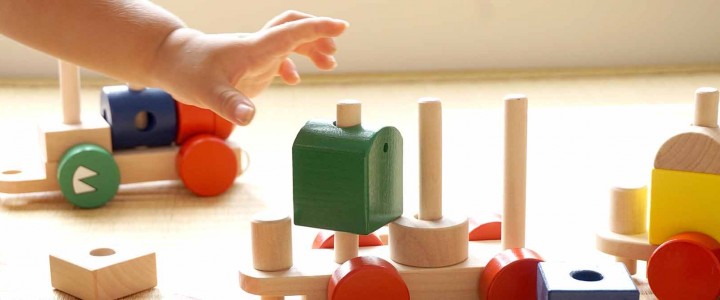
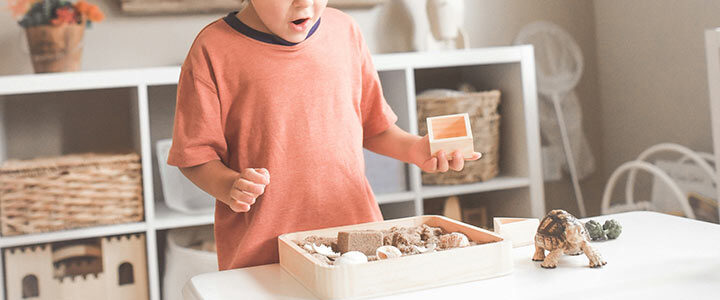
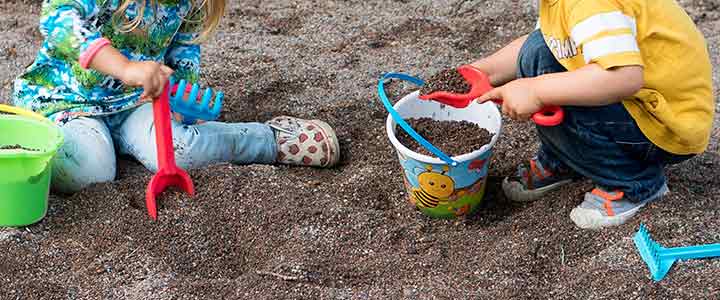
The Play Therapy Toolkit Play Therapy uses a range of modalities—sand trays, puppets, art materials, and storytelling—to assess and support children. These tools are not just for fun; they also serve as diagnostic instruments and therapeutic interventions.
Play is often seen as something fun for children to do, or something to keep children distracted. What often gets ignored is that play also serves an important purpose in a child’s development. It’s the primary way children first learn about their world, and also how they learn about the learning process. By playing with toys, with other children, with adults, children experiment, try new things, learn what to do and what not to do, what’s acceptable and isn’t. They learn about boundaries, socialisation, and develop communication skills.
Play Therapy is an intervention strategy to help children safely communicate and express their feelings and thoughts naturally in order to deal with trauma, loss, delayed development, and other developmental and social issues. Play therapy is fun, free-flowing, non-directed, and effective. Play therapy allows people who are experiencing emotional or behavioural issues to open up their emotions in the safe space of the ‘playroom’, where they are allowed to face their thoughts and emotions nonverbally.
Play Therapy is a form of psychotherapy and counselling that uses play in a non-directed method to allow the Child to lead therapy sessions. This process reveals and reflect the child’s behaviour back in such a way that the child can confront their own behaviour, giving the therapist a powerful diagnostic tool to determine the cause for any issues.
Play therapy allows children and people who are experiencing emotional or behavioural issues to open up their emotions in the safe space of the ‘playroom’, where they are allowed to face their thoughts and emotions nonverbally. It is cited as one of the most effective treatments for children suffering from trauma or PTSD; with a number of articles and papers written about its efficacy.
Some of the benefits of Play Therapy include:
Helping children learn to develop a better sense of their abilities and increasing their confidence.
Helping children develop creative problem solving abilities.
Helping children learn about empathy and respect for feelings of others by giving them space to get in touch with their own thoughts and feelings.
PTUK’s Research has found Play Therapy to be an effective therapeutic approach for children.
Parents also reported pronounced improvements to their children’s emotional outlook, better overall conduct, and improved relationships with their peers.
College of Allied Educators offers the Postgraduate Certificate in Therapeutic Play Skills, training participants to effectively use therapeutic play skills to provide emotional and psychological support to children.
If you have ever tried to help loved ones experiencing prolonged, acute stress or someone trying to deal with a past traumatic experience, you may have noticed and realised that talking to them doesn’t seem to yield much success. These issues can so deeply affect people that verbalising them may be so difficult that it no longer becomes an option.
Especially at a young age, children are not always able to properly vocalise the complexity of their feelings or the thoughts they have. When the child is unable to do so, therapy can sometimes grind to a standstill and end in frustration for the child, making recovery from traumatic events even harder.
Play therapy is a therapeutic approach that involves using play and creative activities to help children process their thoughts, emotions, and experiences. This type of therapy has been used for decades and has been proven to be effective in helping children overcome a wide range of psychological and emotional issues.
Play therapy is a form of psychotherapy and counselling that allows children experiencing loss, trauma, emotional, or behavioural issues to open up their emotions in a safe space. This safe, play space is where they are allowed to face their thoughts and emotions nonverbally through play. It can help ameliorate effects of the child’s deeper emotional issues and helps them to deal with stress and anxiety.
Play therapy is a therapeutic approach that involves using play and creative activities to help children process their thoughts, emotions, and experiences. This type of therapy has been used for decades and has been proven to be effective in helping children overcome a wide range of psychological and emotional issues.
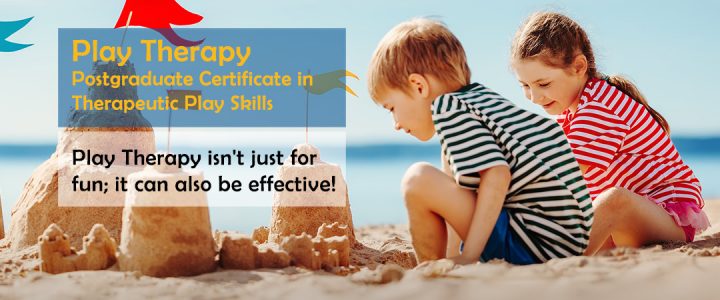
Some people may think that Play Therapy is just children playing with toys and having fun, but it’s important to note that play is a form of communication and used for learning. As adults, we can sometimes forget how important and effective play is in the learning process.