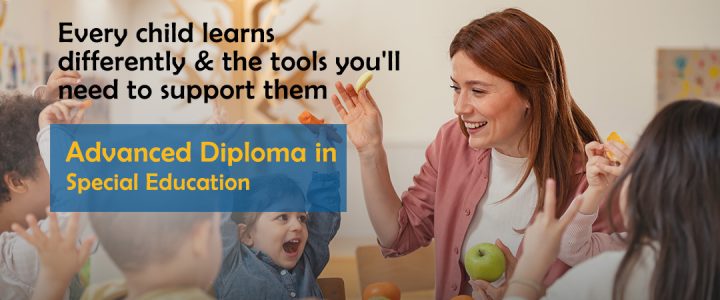
Children do not arrive to the classrooms as blank slates. They come with unique strengths, challenges, interests, and ways of making sense of the world. Some children learn best through movement, others through visuals. Some may need more structure; others may thrive with more flexibility. Some are able to grasp concepts quickly, while others could require repetition and hands‑on practice.
Supporting children with ADHD isn’t just about managing behaviours — it’s about unlocking potential, nurturing emotional resilience, and creating learning environments where every child feels seen, understood, and capable. As classrooms grow more diverse and the needs of learners become more complex, educators and caregivers are seeking practical, evidence‑based strategies that truly make a difference. The Empowering Children with ADHD: Strategies for Inclusive Learning and Emotional Support workshop offers exactly that: a powerful, hands‑on learning experience designed to equip adults with the tools, confidence, and mindset to help children with ADHD thrive academically, socially, and emotionally.
Play Therapy is a structured, evidence-based approach that uses play as the medium for communication and healing. Since children often struggle to verbalize complex emotions, play becomes their natural language. Through toys, art, role-play, and storytelling, therapists can access a child’s inner world and help them work through difficulties.
The Play Therapy Toolkit Play Therapy uses a range of modalities—sand trays, puppets, art materials, and storytelling—to assess and support children. These tools are not just for fun; they also serve as diagnostic instruments and therapeutic interventions.
The year-end holidays are often filled with joy, traditions, and togetherness. Yet for families of children with special needs, the season can also bring unique challenges. With a little creativity and empathy, communities can make celebrations more inclusive, ensuring every child feels the warmth of belonging.
One of the more overtly dramatic events when caring for a child is when they have a meltdown, particularly if it’s in public. For many parents, caregivers and educators, there may be a sense of embarrassment on top of the contradictory feelings of frustration and sympathy for the child. There is always some underlying fear of being judged in public. If the child under our care is seen as disruptive or out of control, many adults may feel it’s their fault the child is behaving this way. Certainly, for some, they may feel other people judge them in this way.
I think it’s fair to say that being a special needs educator is a special calling. It’s not something most people think they’re going to be when they grow up. For many, it’s something that they realise over time, and then grow into. This could be due to their personal experiences with family members who have special needs, especially children. This could also be due to a deep desire to work with and help people who need the extra care and consideration.
There is a tendency for people to assume that a child with poor attention span and an inability to focus has attention deficit hyperactivity disorder (ADHD). It’s easy to see why people may automatically jump to this conclusion.
The holidays may be a very rough, chaotic time for children with special needs. There are a lot of non-routine activities happening all around them all at once, with familiar and unfamiliar friends and families showing up. For many children with special needs, this can be excess stimuli.
When you first find out that your child is diagnosed with special needs, a series of roller coaster emotions and worries can be expected. Panic might set in. How will I cope with this? Am I prepared to support my child’s development?
Play Therapy is a form of psychotherapy and counselling that uses play in a non-directed method to allow the Child to lead therapy sessions. This process reveals and reflect the child’s behaviour back in such a way that the child can confront their own behaviour, giving the therapist a powerful diagnostic tool to determine the cause for any issues.
Play therapy allows children and people who are experiencing emotional or behavioural issues to open up their emotions in the safe space of the ‘playroom’, where they are allowed to face their thoughts and emotions nonverbally. It is cited as one of the most effective treatments for children suffering from trauma or PTSD; with a number of articles and papers written about its efficacy.
Some of the benefits of Play Therapy include:
Helping children learn to develop a better sense of their abilities and increasing their confidence.
Helping children develop creative problem solving abilities.
Helping children learn about empathy and respect for feelings of others by giving them space to get in touch with their own thoughts and feelings.
PTUK’s Research has found Play Therapy to be an effective therapeutic approach for children.
Parents also reported pronounced improvements to their children’s emotional outlook, better overall conduct, and improved relationships with their peers.
College of Allied Educators offers the Postgraduate Certificate in Therapeutic Play Skills, training participants to effectively use therapeutic play skills to provide emotional and psychological support to children.