Unleash the Power of Play: The Benefits of Play Therapy for Children

Unleash the Power of Play: The Benefits of Play Therapy for Children

Play therapy is a therapeutic approach that involves using play and creative activities to help children process their thoughts, emotions, and experiences. This type of therapy has been used for decades and has been proven to be effective in helping children overcome a wide range of psychological and emotional issues.

Read more

Recognising the Signs: Understanding and Identifying Special Needs

Recognising the Signs: Understanding and Identifying Special Needs

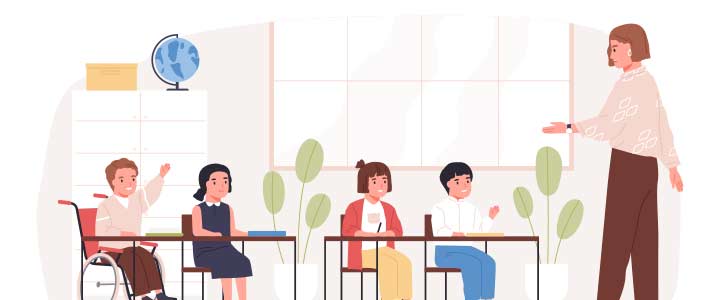
Every child is unique and develops at their own pace, but sometimes a child may struggle with certain areas of development. This can be a sign that they have special needs, which refer to any type of disability that affects their ability to learn, communicate, or perform daily activities. Some of the most common special needs include autism, attention deficit hyperactivity disorder (ADHD), learning disabilities, and physical disabilities.

Read more

How to prepare my special needs child for success!

How to prepare my special needs child for success!

It is every parent’s wish to see their child be successful. Some of the common success route are in ensuring their child attend the best school in the neighbourhood, providing tuition for the child, and finally witnessing their child’s graduation ceremony. However, can the same be apply to parents with special needs children?

Read more

Why is Play Therapy effective for children?

Why is Play Therapy effective for children?

If you have ever tried to help loved ones experiencing prolonged, acute stress or someone trying to deal with a past traumatic experience, you may have noticed and realised that talking to them doesn’t seem to yield much success. These issues can so deeply affect people that verbalising them may be so difficult that it no longer becomes an option.

Children experiencing trauma are particularly vulnerable as they do not have the means to understand what is happening, how to process the trauma, and their ability to vocalise and communicate their trauma may be limited or non-existent. They are too young to have developed the coping mechanisms to deal with their trauma or stress. Read more

How common is speech & communication disorder?

How common is speech & communication disorder?

A communication disorder is a disorder that negatively affects the person’s ability to speak or engage in discussions with other people. It can range from the inability to understand their own native language, or it can be an inability to make the proper sounds necessary for speech.

It may affect up to 17% of people and includes lisping and stuttering and children with autism spectrum disorder are likely to also have speech and communication disorders.

Read more