
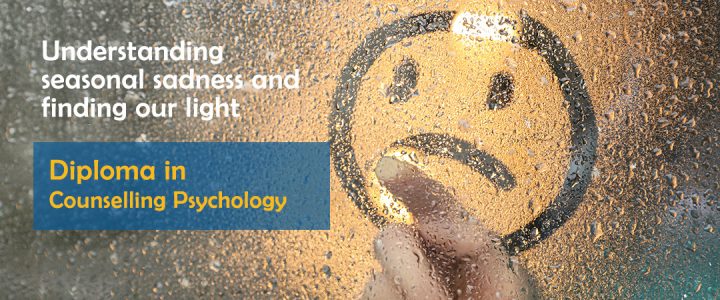
As we approach the closing month and weeks of the year, we are often reminded that this is a festive and joyful period. Yet for many, this period brings a quiet melancholy. As the calendar turns, people reflect on what has passed, what was lost, and what remains uncertain. Recognising these feelings is the first step toward compassion—for ourselves and for others.
There are several factors that contribute to why sadness emerges at the end of the year for so many people. These include:
- Reflection and regret: The year’s end naturally invites review. Unmet goals, missed opportunities, or unresolved conflicts can stir disappointment.
- Loneliness: Holidays emphasize togetherness, which can intensify feelings of isolation for those without close family or friends nearby.
- Grief and memory: Anniversaries of loss often resurface during festive times, making absence more palpable.
- Financial stress: Gift-giving, travel, and social obligations may strain budgets, adding anxiety to the season.
- Transition anxiety: The symbolic “fresh start” of a new year can feel daunting, especially for those uncertain about the future.
While sadness is natural, there are strategies that we can employ to help ease the weight of this emotional burden:
- Acknowledge our feelings: Allow ourselves the space for melancholy without judgment. Naming emotions often reduces their intensity and can encourage conversations that help to validate how we’re feeling, and how we can move on from there.
- Maintain our routine: Our daily structure provides emotional and mental stability. Regular sleep, meals, and exercise will absolutely help balance our moods. Even small rituals—like morning walks or journaling—can anchor the day.
- Seek connection with others: We can reach out to friends, neighbours, or community groups. Volunteer opportunities during the holidays can transform isolation into shared purpose.
- Practice self-compassion: We can replace harsh self-criticism with gentler inner dialogue. By recognising that sadness is part of the human experience and not a personal failure, we can take a heavy burden of judgement off ourselves.
- Seek mental health support: It is advisable to seek professional mental health support if sadness feels overwhelming. Sometimes being able to talk to someone in a non-judgemental environment can bring its own clarity.
The end of the year is not only about endings—it is also about beginnings. Melancholy can be reframed as a moment of pause, a chance to honour what has passed and prepare for renewal. By embracing both joy and sadness, we create space for authentic connection and growth. While it may sometimes feel like it, sadness at year’s end is not a weakness—it is a reflection of our humanity. When we meet it with empathy, we discover that even in the quiet shadows of the season, there is light to be found.
Join us at College of Allied Educators to learn how you can overcome your fears and setbacks, and to unlock your innermost self to find success and happiness.
DIPLOMA IN COUNSELLING PSYCHOLOGY
Diploma in Counselling Psychology (DCPSY) covers a range of conceptual and functional skills in counselling. It trains students to apply appropriate counselling psychology skills in different situations, and equips students with the ability to work effectively as a counsellor.
ADVANCED DIPLOMA IN COUNSELLING PSYCHOLOGY
Advanced Diploma in Counselling Psychology (ADICP) trains students to apply appropriate counselling skills in different situations while understanding their underlying theories. The ADICP programme introduces students to the nature of psychology and relates it to the theories and concepts of counselling. Students move on to explore themselves in order to promote personal growth and self-awareness, acquiring the key attributes of a competent counsellor and the proper methods of applying those skills.
For a FREE COURSE PREVIEW
CALL US at 6533-0031 EMAIL your enquiry to ENQUIRY@ICAE.EDU.SG
or Register for your free preview below: