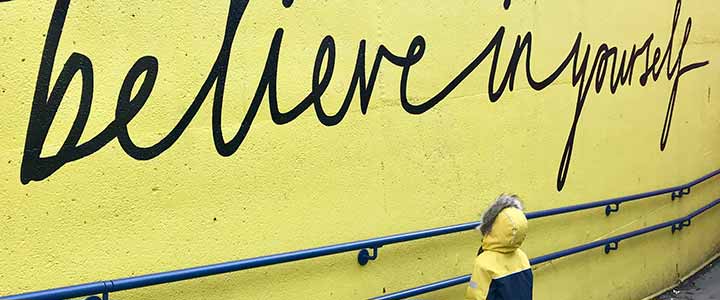
Have you heard of ACT for therapy and counselling?

Have you heard of ACT for therapy and counselling?

People who decide to counselling do so because they feel it can help them in some way. Some people go to counselling to try to understand themselves better, and in the process, also learn they can use this to help other people find a sense of well-being, and happiness. The road isn’t always easy, and there’s a lot to learn.

There are actually many type of counselling and therapy methods as well as different ideas and intent behind them. One such therapy is called ACT.

Acceptance and Commitment Therapy (ACT) is a form of mindfulness therapy that helps you to accept the many difficulties that you may face in life.

As we all know, things happen in our lives that can be difficult to deal with. We may end up losing our jobs, be stuck in a situation we can’t control, in a bad relationship, have an addiction, or dealing with any number of other problems. A lot of problems aren’t too difficult to deal with, sometimes these things can happen all at the same time and it is this situation that can threaten to overhwelm us. It could even be a singular, major trauma or event that can overwhelm us.

Instead of just dealing with the negative symptoms and side effects of these problems, ACT can be used as a way to engage with the issues so that we can accept that these things are happening. Once we have accepted our situation, we can then move to ensuring that the unwanted thoughts and feelings don’t end up controlling our life. Part of this therapy is to work our way towards taking action to ensure we can consistently remain in control of our life, thoughts, and feelings.

In essense, ACT is a way for us to accept our situation and the problems we face, so we can take action to maintain control of ourselves and our lives.

It can be used to help with anxiety disorders, addiction, stress, obsessive-compulsive disorders, and even can help with depression.

Join us at College of Allied Educators to learn more about yourself, what motivates you, and how you can find happiness, meaning, and success in work, love, and life.

POSTGRADUATE DIPLOMA IN COUNSELLING PSYCHOLOGY
Postgraduate Diploma in Counselling Psychology (PGDICP) is a counselling psychology course accredited by the Singapore Association for Counselling (SAC). The part-time Postgraduate Diploma in Counselling Psychology programme focuses on developing and enhancing experiential knowledge and skills through a holistic approach. Some of the subjects covered include Counselling Children, Addiction Intervention, Crisis Intervention, and Family Therapy.  

ADVANCED DIPLOMA IN COUNSELLING PSYCHOLOGY
Advanced Diploma in Counselling Psychology (ADICP) trains students to apply appropriate counselling skills in different situations while understanding their underlying theories. The ADICP programme introduces students to the nature of psychology and relates it to the theories and concepts of counselling. Students move on to explore themselves in order to promote personal growth and self-awareness, acquiring the key attributes of a competent counsellor and the proper methods of applying those skills.

DIPLOMA IN COUNSELLING PSYCHOLOGY
Diploma in Counselling Psychology (DCPSY) is a counselling course covering a range of conceptual and functional skills in counselling. It trains students to apply appropriate counselling psychology skills in different situations, and equips students with the ability to work effectively as a counsellor.

For a FREE COURSE PREVIEW

CALL US at 6533-0031 EMAIL your enquiry to ENQUIRY@ICAE.EDU.SG

or Register for your free preview below:

Would you be happier if you were more successful?

Would you be happier if you were more successful?

Everyone is trying to find their way in the world, whether they are young or old. Each person is trying to find happiness, but for many of us, we aren’t really sure exactly what happiness really is. We have an idea of what we think will make us happy; and often, it’s grinded into us over years that we’ll need to be successful. It is assumed happiness will follow that success.

Read more

How do you define happiness?

How do you define happiness?

When people hear and talk about happiness, there is a tendency to attach it to business, career, and monetary success. There is a good chance you have that thought as well. Especially when you’re worried about your future prospects and financial security, it’s hard not to tie happiness to money. Saying that, everyone does have an idea of what happiness looks like to them, apart from material success. So how do you define happiness?

Read more

What if I don’t like who I am?

What if I don’t like who I am?

There’s a chance at some point in your life, you just didn’t like yourself. Maybe it was in your teenage years when you felt awkward and still trying to find yourself. Maybe it was at some other point in your life where you just weren’t the person you wanted to be or thought yourself to be.

Since it can take many years to even figure out and form the most basic image of who we are, it shouldn’t surprise anyone that a lot of people may simply not like themselves.

Maybe you drink too much, or maybe you smoke or have some other vice. People who gamble or have other vices often know something is wrong, even if they never verbalise it, and this can translate into feelings of immense shame and guilt. It’s just not easy to do anything about it.

It’s possible you may have had an idea of who you wanted to be and upon reflection, realise you’re not that person. You might be too short-tempered, or too judgemental, not ambitious enough, or not a good enough father, husband, wife, or mother.

Self-reflection is important to understanding who we are, but you shouldn’t judge yourself too harshly. You are human and your development is an on-going process. you’re going to find flaws in yourself, and you’re going to be disappointed in what you find. You shouldn’t focus too much on your flaws and instead try to accept these as part of who you are and the result of your experience and growth. You’re going to be a different person as long as you strive on working towards changing and improving yourself.

Remember that your development takes time, and you may never really be finished. What you see at any one point is just a snapshot and shouldn’t be seen as the totality of who you are. It’s often helpful to take these snapshots as points of references so you know who you were, what you are now, and then decide who you’d like to be in the future.

Join us at College of Allied Educators to learn more about yourself, what motivates you, and how you can find happiness, meaning, and success in work, love, and life.

POSTGRADUATE DIPLOMA IN COUNSELLING PSYCHOLOGY
Postgraduate Diploma in Counselling Psychology (PGDICP) is a counselling psychology course accredited by the Singapore Association for Counselling (SAC). The part-time Postgraduate Diploma in Counselling Psychology programme focuses on developing and enhancing experiential knowledge and skills through a holistic approach. Some of the subjects covered include Counselling Children, Addiction Intervention, Crisis Intervention, and Family Therapy.  

ADVANCED DIPLOMA IN COUNSELLING PSYCHOLOGY
Advanced Diploma in Counselling Psychology (ADICP) trains students to apply appropriate counselling skills in different situations while understanding their underlying theories. The ADICP programme introduces students to the nature of psychology and relates it to the theories and concepts of counselling. Students move on to explore themselves in order to promote personal growth and self-awareness, acquiring the key attributes of a competent counsellor and the proper methods of applying those skills.

DIPLOMA IN COUNSELLING PSYCHOLOGY
Diploma in Counselling Psychology (DCPSY) is a counselling course covering a range of conceptual and functional skills in counselling. It trains students to apply appropriate counselling psychology skills in different situations, and equips students with the ability to work effectively as a counsellor.

For a FREE COURSE PREVIEW

CALL US at 6533-0031 EMAIL your enquiry to ENQUIRY@ICAE.EDU.SG

or Register for your free preview below:

What if people judge me for who I am?

What if people judge me for who I am?

Trying to figure out who we are is hard. We start trying to understand ourselves more intensely from our teen years well into our adult years, and for most of us, we really only know the surface level. While we’re trying to figure out who we are and where we belong in the world, we also become acutely aware of how people may perceive us and ultimately, how they may judge us.

Read more