
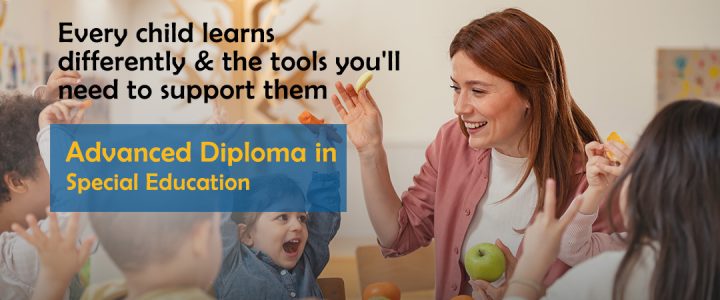
Children do not arrive to the classrooms as blank slates. They come with unique strengths, challenges, interests, and ways of making sense of the world. Some children learn best through movement, others through visuals. Some may need more structure; others may thrive with more flexibility. Some are able to grasp concepts quickly, while others could require repetition and hands‑on practice.
Recognising these differences isn’t just good teaching practice—it’s the foundation of inclusive education. When we understand how children learn, we can support them in ways that honour their individuality and unlock their potential.
Learning differences are the result of variations in how each child processes information. These differences may be shaped by:
- Neurodevelopmental conditions (e.g., autism, ADHD, dyslexia)
- Sensory processing styles
- Language backgrounds
- Emotional needs
- Temperament and personality
- Prior learning experiences
Education can sometimes assume that all children learn in similar ways when there is no single “normal” learning profile. Every child—whether neurotypical or neurodivergent—has a unique learning fingerprint.
Some children may:
- Need more time to process information
- Learn better through visuals than spoken instructions
- Struggle with transitions
- Thrive with routine and predictability
- Need movement to stay regulated
- Require emotional connection before academic engagement
Multi‑Sensory Teaching Approaches
Children learn have a greater opportunity for learning when information is presented in more than one way.
Examples include:
- Visuals (charts, pictures, colour coding)
- Auditory cues (songs, verbal prompts)
- Kinesthetic activities (hands‑on tasks, movement breaks)
- Tactile materials (sandpaper letters, textured objects)
This approach is especially helpful for children with dyslexia, ADHD, or sensory processing differences.
Emotional and Behavioural Support Tools
A child’s emotional state can drastically affect their ability to learn. Helpful tools include:
- Calm corners or sensory spaces
- Visual schedules
- Social stories
- Emotion‑regulation strategies
- Predictable routines
These are especially beneficial for children with autism, anxiety, or trauma histories.
At the core of supporting diverse learners is a belief that every child can learn—just not in the same way or on the same timeline. When we embrace this truth, we start adapting environments, expectations, and teaching methods to better suit the children under our care. We become partners in their learning journey rather than gatekeepers of what they “should” be able to do.
This understanding is not something you master overnight. It requires training, reflection, and ongoing practice. At College of Allied Educators, we offer professional training designed for educators and caregivers who want to deepen their understanding and practical skills in supporting children with diverse learning needs.
College of Allied Educators offers our Diploma in Education (Special Needs), that provides an essential introduction to the various categories of exceptional children and educational programmes available. The course will also train you to confidently design and implement an Individualised Education Plan or IEP to aid in specific areas such as language and communications.
This is a 6-month, part-time programme that will allow you to continue onto the Advanced Diploma in Special Education, a 12-month course that trains educators and parents with the knowledge and skills to identify, and support children with diverse learning and developmental needs and the basic principles and practices of effective teaching and learning.
For a FREE COURSE PREVIEW
CALL US at 6533-0031
EMAIL your enquiry to ENQUIRY@ICAE.EDU.SG
or Register for your free preview below: