
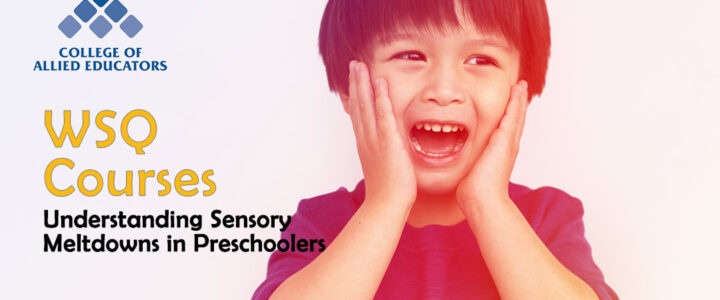
Preschool is a world of colour, sound, movement, and discovery. For many children, this sensory-rich environment is exciting. For others—especially those with sensory processing differences—it can quickly become overwhelming. When a child’s nervous system is overloaded, a sensory meltdown can occur. Unlike tantrums, meltdowns are not intentional behaviours; they are neurological responses to stress.
A sensory meltdown happens when a child becomes overwhelmed by sensory input such as:
- Loud noises
- Bright lights
- Crowded spaces
- Unexpected touch
- Strong smells
The child is not “acting out” in the way we normally think about such things. The child’s brain is signalling distress, and they need support to regain a sense of safety.
Preschoolers are especially vulnerable as they are still developing and don’t have a full grasp of emotional regulation, communications capabilities, or adequate coping mechanisms that older children may have. They often cannot articulate what’s wrong, so their distress shows up through crying, screaming, running away, or shutting down. A calm, informed adult can make all the difference.
Reduce sensory input as soon as possible
The goal is to remove or reduce the trigger and possible adjustments to consider may include:
- Dimming the lights
- Moving to a quiet corner
- Offering noise-cancelling headphones
- Reducing crowding
- Pausing group activities
It may be useful to think of it as “turning down the volume” on the environment.
Tracking meltdowns helps identify triggers and solutions
When you are able to identify a pattern to the meltdowns, they can often reveal actionable insights, so be sure to record details about what happens during a meltdown:
- Time of day
- Environment
- Sensory input present
- What helped
- Duration
Teach coping skills outside the meltdown
Figuring out how to calm a child down is one thing, but another important part is teaching them skills to help them cope. The best time to build regulation skills is when the child is calm. You can engage the child through:
- Breathing exercises
- Yoga for kids
- Visual schedules
- Emotion cards
These tools can strengthen resilience over time.
Handling sensory meltdowns is about understanding. When adults respond with empathy, structure, and patience, children learn that their feelings are manageable and that they are not alone. A preschool that embraces sensory needs becomes a place where every child can thrive, explore, and feel safe in their own skin, and you can be a part of making that happen!
CAE’s WSQ Courses are designed specifically to train potential teachers, parents and caregivers to identify, detect and support children with learning and developmental difficulties. We offer a range of courses to equip learners with the relevant knowledge and skills to assist children with special needs.
- Individualised Intervention Planning and Implementation for Children with Special Needs TGS-2022013416
- Child Functional Needs Assessment TGS-2022014458
- Early Intervention Principles and Practices TGS-2020513557
- Classroom Management in Inclusive Education TGS-2022013417
- Interdisciplinary Collaborations in Special Education TGS-2022014728
The College brings a grounded, holistic experience with its focus on theory as well as real world, practical case studies and examples delivered by lecturers who actively practice in their respective fields. With our continued post course support, we wish to help instil knowledge and a sense of confidence in your teaching and managing children with special needs.
Accredited by Singapore Workforce Skills Qualifications (WSQ)
Contact us to find out more about these WSQ courses, funding, and your career and pathway opportunities.
Join us for a FREE COURSE PREVIEW
CALL US at 6533-0031
EMAIL your enquiry to ENQUIRY@ICAE.EDU.SG
or Register for your free preview below: